


Design Notes: How I Design a Modern Scandinavian Living Room
The post walks through a designer's step-by-step approach to a modern Scandinavian living room, starting with a low neutral sofa and a correctly sized rug, then adding warmth through wooden coffee tables, sofa arm trays, and floating wall shelves. It also covers light wall colors, using plants instead of decoration, minimal wooden wall decor, and designing the room for everyday life rather than photos.
When I design a Scandinavian living room, I don’t start with furniture. I start with how the room should feel. Calm, bright, practical, and easy to live in — not styled for photos, but for everyday use.
A good Scandinavian living room works because every element supports the others. The sofa doesn’t dominate the space. The rug grounds it. The walls stay light. Wood appears repeatedly, but never aggressively. In this post, I’ll walk through the specific choices I make when designing a modern Scandinavian living room and explain how I combine accessible basics with carefully chosen wooden pieces from EWART WOODS.
Start With the Sofa: Low, Calm, and Comfortable
The sofa sets the tone for the entire living room. In Scandinavian interiors, I avoid anything oversized, overly structured, or visually heavy. A low-profile sofa with clean lines works best — ideally in a neutral fabric like beige, light grey, or warm off-white.
This is one area where I’m happy to mix brands. A simple sofa from IKEA can work perfectly as long as the proportions are right. What matters more than brand is:
-
seat height
-
depth (not too bulky)
-
neutral upholstery
The sofa should feel like a background element, not the main attraction.

Anchor the Space With the Right Rug
Once the sofa is in place, the rug defines the living area. In Scandinavian design, rugs are usually understated but generous in size. I prefer flat-weave or low-pile rugs in natural tones — beige, soft grey, or subtle patterns that don’t compete with the furniture.
A common mistake is choosing a rug that’s too small. In a Scandinavian living room, the rug should extend under the front legs of the sofa and nearby seating. This visually connects the furniture and makes the space feel intentional rather than scattered.
The rug, together with the sofa, creates the base layer of the room.

Introduce Wood Through Functional Surfaces
This is where Scandinavian interiors really come to life. Instead of adding decorative objects, I introduce warmth through functional wooden surfaces.
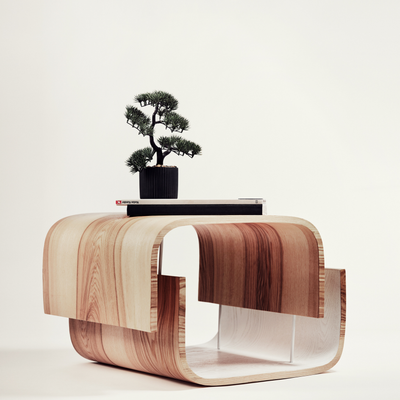
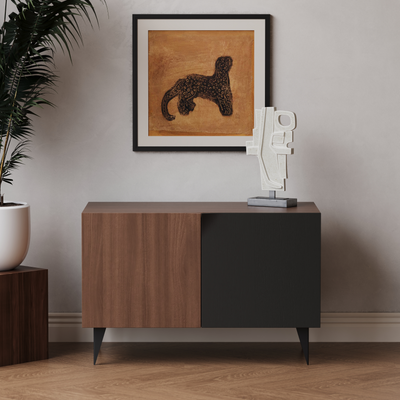
A well-proportioned EWART WOODS coffee table becomes the natural center of the room. I usually choose a simple wooden design with clean lines and visible grain — something that feels solid but not heavy. The coffee table should anchor the space without blocking movement or light. Check the small coffee table on Etsy.
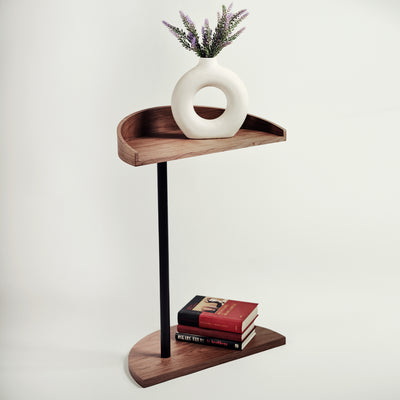
For smaller living rooms, I like to reduce the number of tables and add wooden sofa arm trays instead. They provide a surface exactly where it’s needed — for a cup, book, or laptop — without cluttering the floor with extra furniture. This keeps the room flexible and visually open.

*See AI visualization showing the EWART WOODS coffee table in a modern Scandinavian living room.
Keep the Walls Light, Then Add Structure
Walls in Scandinavian living rooms are rarely bold. Most of the time, I stick to warm white, light beige, or very soft grey. If I use wallpaper, it’s subtle — fine texture, gentle pattern, or a tone-on-tone design that adds depth without contrast.
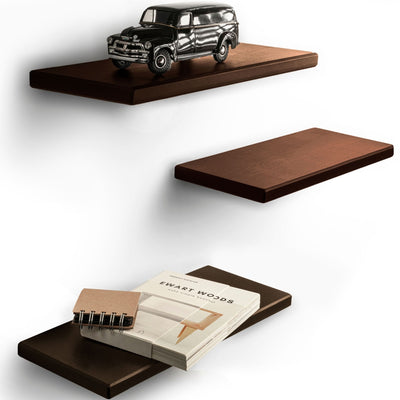
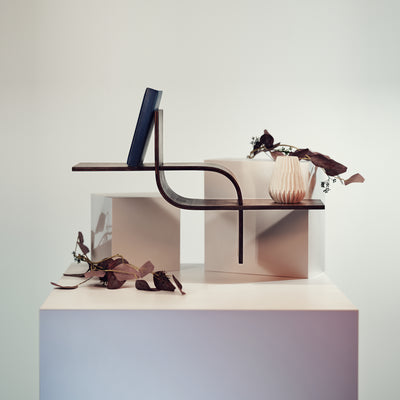
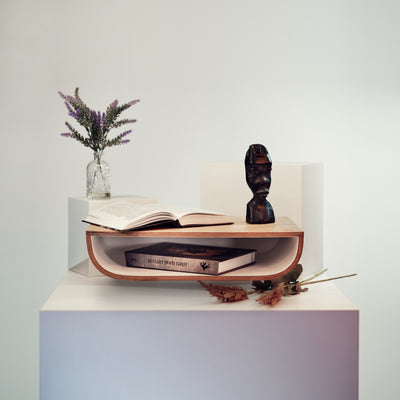
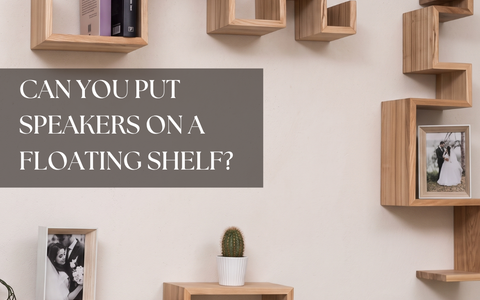
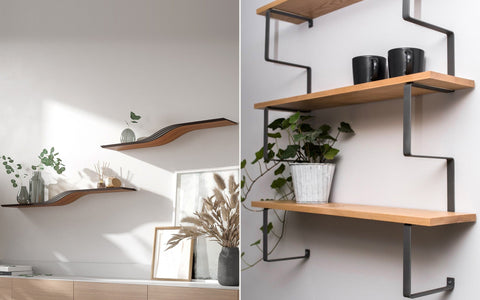
Instead of filling walls with art, I prefer to add structure through shelving. Floating wall shelves are ideal here. They provide storage and display without visual weight, especially when made from light wood that matches other furniture in the room. EWART WOODS offers curved floating wall shelves that bring a softer, more organic line into the living room, balancing clean walls without overpowering the space
To introduce contrast, I sometimes mix in metal wall shelves. Used sparingly, they add definition and work particularly well near work corners or reading areas. The combination of wood and metal keeps the room from feeling flat while staying true to Scandinavian restraint.

*See AI visualization featuring EWART WOODS curved floating wall shelf
Use Plants Instead of Decoration
In Scandinavian living rooms, plants replace decoration. They soften clean lines, add movement, and bring life into neutral spaces.
I usually place:
-
one larger plant near a window
-
a smaller plant on a shelf or coffee table
The key is restraint. Too many plants can make the room feel busy. A few well-chosen ones are enough.
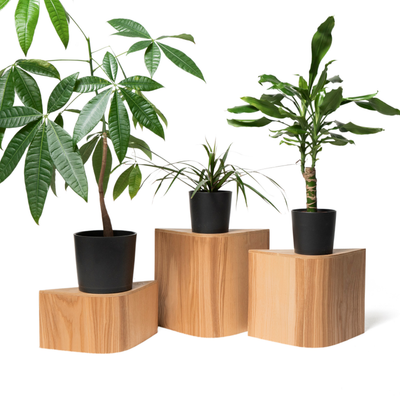
Wooden surfaces — especially shelves and tables — make plants look intentional rather than decorative. This is another reason I prefer visible wood instead of painted finishes.

Wall Decor That Feels Integrated
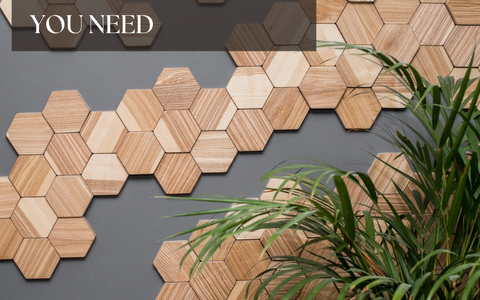
If I add wall decor, it’s minimal and material-driven. Wooden wall decor works particularly well in Scandinavian living rooms because it echoes the wood used elsewhere in the space.
I avoid gallery walls and instead choose:
-
one or two pieces
-
simple shapes
-
natural finishes
Placed near floating or metal wall shelves, wooden wall decor feels integrated rather than layered on top of the design.

Designing for Real Life, Not Just Looks
The most important rule in Scandinavian living room design is that the space has to work. Furniture should support daily routines — sitting, reading, hosting, relaxing — without demanding attention.
This is why I gravitate toward:
-
flexible wooden surfaces
-
open shelving
-
calm materials
-
furniture that can move or adapt
A modern Scandinavian living room isn’t about perfection. It’s about balance. Light, neutral surfaces paired with warm wood. Simple furniture supported by thoughtful details. Fewer pieces, chosen carefully.
When design choices are specific — from sofa height to rug size to shelving material — the room doesn’t just look Scandinavian. It feels easy to live in.
That’s always the goal.
Products related to this article
Frequently asked questions
How do I design a Scandinavian living room?
Start with how the room should feel: calm, bright, and practical. Choose a low neutral sofa, anchor the space with a generous rug, introduce warmth through functional wooden surfaces like a coffee table and floating shelves, keep walls light, and add a few plants instead of decoration.
What sofa works best in a Scandinavian interior?
A low-profile sofa with clean lines and neutral upholstery in beige, light grey, or warm off-white. Proportions matter more than brand; the sofa should feel like a background element, not the main attraction.
What size rug should I use in a Scandinavian living room?
Choose a rug generous enough to extend under the front legs of the sofa and nearby seating. A rug that is too small makes the space feel scattered, while a properly sized one visually connects the furniture.
How do I add warmth to a minimalist living room?
Introduce wood through functional surfaces rather than decorative objects: a wooden coffee table with visible grain, floating wall shelves, or a sofa arm tray. Natural wood softens clean lines without adding clutter.
What wall colors are used in Scandinavian design?
Warm white, light beige, or very soft grey. If wallpaper is used, it should be subtle with fine texture or a tone-on-tone pattern that adds depth without contrast.
Are floating shelves good for Scandinavian style?
Yes. Floating wall shelves provide storage and display without visual weight, especially in light wood that matches other furniture. Curved floating shelves add a softer, organic line that balances clean walls.
How many plants should a Scandinavian living room have?
Restraint is key. One larger plant near a window and a smaller plant on a shelf or coffee table are usually enough; too many plants can make the room feel busy.
Can I mix wood and metal shelves in a Scandinavian interior?
Yes, when used sparingly. Metal wall shelves add definition and contrast, working especially well near work corners or reading areas, while wood keeps the room warm and true to Scandinavian restraint.








Dejar un comentario