


Guide to Sizes, Wood Tones & Materials for Home Accessories
This buying guide explains how to choose sizes, wood tones, and material combinations for small home accessories such as shelves, spice racks, key holders, hooks, and sofa arm trays. It covers what to measure for each product type, how to match wood undertones rather than exact shades, how to pair wood with black, chrome, or brass metal accents, and practical considerations like wall material, placement, and starting with small pieces.
Buying small furniture and wooden accessories should be simple…
but it rarely is.
You fall in love with a shelf, and suddenly you’re measuring your wall at 10pm with a phone charger because you can’t find the tape measure.
You find the perfect spice rack, and then freeze because you’re not sure if the wood will match your kitchen.
Or you want a hook rack — but don’t know how high it should hang or if metal hooks with a wooden base will look strange next to your existing décor.
I promise: it doesn’t need to be this complicated.
This guide breaks everything down in plain, everyday language — the exact things customers always ask before buying EWART WOODS products. If you’re planning to add a shelf, organizer, key holder or any wooden accessory to your home, start here.
1. Measure the Space — But Measure the Right Way
People often measure too much or too little.
Here’s what actually matters depending on the product:
Floating shelves or corner shelves
You need three measurements, not one:
-
Wall width
So the shelf doesn’t look too long or too short for the space. -
Depth allowance
This is the most forgotten measurement.
Ask yourself:
“When this shelf sticks out from the wall, will anything be in the way?”
Example: door frames, kitchen cabinets, hanging coats. -
Height from floor OR height relative to other furniture
You want the shelf to make sense visually.-
In a hallway: eye level (around 150–165 cm)
-
Above a sofa: leave at least 25–35 cm above the backrest
-
In the kitchen: leave space for jars, spices, or plants
-

Key holders, hooks & magnetic organizers
These require functional height, not decorative height.
-
Key holders: shoulder height, not eye level
-
Hooks for bags: 110–130 cm
-
Dog leash hooks: low enough for kids to reach (if needed)
-
Magnetic key holders: close to the door so the habit sticks
A few centimeters make a big difference here.

Spice racks
The biggest mistake?
People forget to measure their jars.
Measure:
-
jar diameter
-
jar height
-
available wall space
-
the gap between shelves if you’re stacking multiple units
A rack is only useful when everything fits comfortably — not crammed.

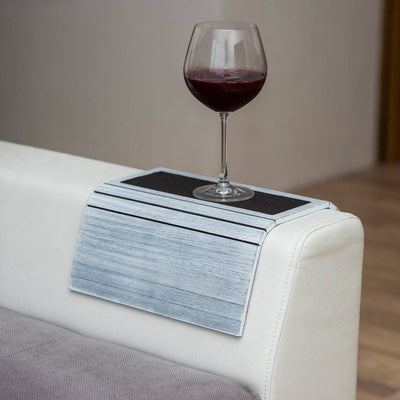
Sofa arm trays
This one is simple:
measure the width of the sofa arm.
EWART WOODS trays fit most sizes, but knowing the exact width avoids that “is this too loose?” doubt. Also, when purchasing a tray with a fixed middle section, it is important to make sure that this middle part will fit your space. The middle section is not adjustable, so please check the measurements carefully before ordering.

2. Matching Wood Tones Without Stress
Most people think the woods in their homes need to match perfectly.
They don’t.
In fact, perfectly matched wood can make a home feel “flat.”
The trick is to mix tones with intention.
Here’s how to do it:
If your furniture is light (oak, birch, ash):
Choose wood that is slightly warmer or darker so it stands out softly.
Light on light often disappears visually.
EWART WOODS pieces in natural or “warm light” tones fit beautifully here.
If your furniture is medium or golden-toned:
This is the easiest category — everything matches.
You can safely mix:
-
natural wood
-
honey-toned finishes
-
warm walnut
-
beech
It gives the room richness instead of monotony.
If your decor is dark (walnut, espresso, deep oak):
Don’t fight it — contrast it.
A light shelf or organizer on a dark wall looks clean and intentional.
Dark-on-dark can look heavy unless the wall is light.
The secret rule: match the undertone, not the exact shade.
Look at the wood and ask:
Is it warm (yellow/golden)?
Is it cool (greyish)?
Is it neutral?
Match undertones → everything feels cohesive.

3. Mixing Wood With Metal Without It Looking Random
A lot of people worry about combining materials.
But wood + metal is one of the easiest pairings — especially in modern homes.
Here’s how to make it look purposeful:
If the room already has black metal accents:
Go for metal hooks or frames in black.
This ties the whole room together instantly (think Scandinavian style).
Examples:
-
metal fruit bowls
-
key holders with black metal hooks
-
spice racks with dark screws
-
toilet paper holders with black accents
Black + wood = timeless.

If your room has chrome or silver elements:
Go for minimal wooden accessories without additional metal details OR choose matte metal, which blends better.
Chrome + natural wood can look very fresh in kitchens.

If your home has gold or brass tones:
This pairs beautifully with warm wood.
Try:
-
lighter woods
-
honey tones
-
engraved pieces for a luxury feel
Think: modern boutique hotel vibes.
Avoid one thing:
Using three different metal colors in one small space — this creates visual noise.
Pick one and repeat it.
4. Practical Things People Forget to Consider (But Should)
These small details make a big difference:
What wall materials do you have?
-
Plaster? Easy.
-
Concrete? You need stronger screws.
-
Hollow walls? You need proper anchors.
EWART WOODS shelves hold weight well — but only if installed correctly.
What will sit below the shelf?
A hook too close to a light switch?
A shelf blocking a thermostat?
A key holder behind a door when it opens?
These things matter.
Will the item be used daily?
If yes → choose something with engraving or a warm wood tone.
Daily-use items look better when they feel personal, not generic.
Will it be visible from multiple angles?
If the answer is yes, choose a clean design.
If no, you can go more decorative.
5. When In Doubt: Start Small
If you’re unsure about tones or styles, start with pieces that don’t need a big commitment:
-
magnetic key holders
-
small spice racks
-
mini shelves
-
hooks
These are “soft experiments” — they help you understand what works in your space before adding larger accessories.
Choosing wooden accessories doesn’t have to feel technical.
You’re not designing a museum — you’re choosing things that help your everyday life run more smoothly.
Measure a little.
Match undertones, not identical colors.
Mix wood with metal confidently.
And choose pieces that will actually be used.
That’s how you create a home that feels thoughtful, comfortable, and timeless — piece by piece.
Products related to this article

Frequently asked questions
What should I measure before buying a floating shelf?
Three things: wall width so the shelf fits proportionally, depth allowance so nothing like door frames or cabinets gets in the way, and height from the floor or relative to furniture - eye level (150-165 cm) in hallways, at least 25-35 cm above a sofa backrest.
How high should I hang hooks and key holders?
Use functional height, not decorative: key holders at shoulder height, hooks for bags at 110-130 cm, dog leash hooks low enough for kids if needed, and magnetic key holders close to the door so the habit sticks.
Do all the wood tones in my home need to match?
No. Perfectly matched wood can make a home feel flat. The secret rule is to match the undertone - warm, cool, or neutral - rather than the exact shade, and mix tones with intention.
What wood tone should I pick if my furniture is light oak or ash?
Choose wood slightly warmer or darker so it stands out softly - light on light tends to disappear visually. If your decor is dark walnut or espresso, contrast it with a lighter shelf or organizer instead.
How do I combine wood and metal without it looking random?
Repeat one metal color throughout the space. Black metal with wood is timeless and suits Scandinavian styles, matte metal blends with chrome elements, and warm or honey wood tones pair beautifully with gold or brass.
What do I need to check before mounting a shelf on my wall?
Your wall material: plaster is easy, concrete needs stronger screws, and hollow walls need proper anchors. Shelves hold weight well only when installed correctly, and check what sits nearby like switches, thermostats, and door swings.
What should I measure for a spice rack or sofa arm tray?
For spice racks, measure your jars' diameter and height plus available wall space. For sofa arm trays, measure the sofa arm width - and note that trays with a fixed middle section are not adjustable, so check dimensions before ordering.
I am unsure about styles - what should I buy first?
Start small with low-commitment pieces like magnetic key holders, small spice racks, mini shelves, hooks, or desk organizers. These soft experiments show you what works in your space before adding larger accessories.








Dejar un comentario