


Wood Furniture: 7 Design Mistakes That Are Killing Your Home’s Vibe
The article covers seven common wood furniture styling mistakes: buying matching sets, ignoring visual weight, cold chrome-heavy bathrooms, wrong proportions, clashing wood undertones, missing vertical interest, and over-cleaning wood with chemical sprays. Each mistake comes with a practical fix, from mixing two to three wood tones to grouping floating shelves and caring for wood with dry dusting and yearly oiling.
Wood is the most "human" material you can put in a home. It’s warm, it’s alive, and it has a history. But there is a massive difference between a room that uses wood well and a room that feels like a lumber yard.
At Ewart Woods, we spend our days obsessing over grain patterns and finishes. We’ve seen beautiful homes ruined by a few simple styling errors. If your space feels a bit "off," or if you're about to start a renovation, read this first.
1. The "Showroom" Syndrome (Matching Too Much)
The biggest mistake people make is buying a matching "set" where the bed, the dresser, and the nightstands are all the exact same wood.
Why it fails: It lacks soul. It looks like you walked into a big-box store and said, "I’ll take the Oak Collection." A home should look like it was curated over years, not delivered in one afternoon.
The Fix: Aim for 2-3 different wood tones in a room.
-
Pro Tip: If you have light oak floors, don't buy an oak bed. Go for a rich Walnut or a darker stained Ash.
-
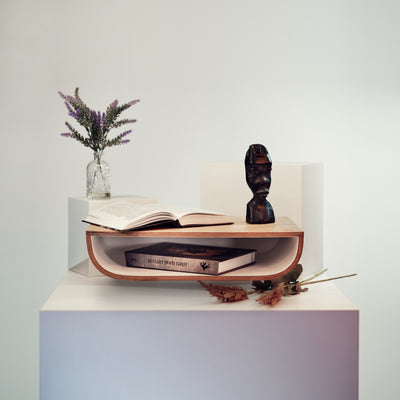
Product Move: Use our Floating Nightstands to break the pattern. If your bed frame is a light wood, choose these in a darker finish to create a "layered" look that feels professional.

2. Ignoring "Visual Weight"
Every piece of furniture has "weight." Large, boxy furniture that sits flat on the floor feels heavy. If you put too many "heavy" pieces in one room, the space feels cramped and stressful.
The Fix: Balance heavy items with "floating" items.
-
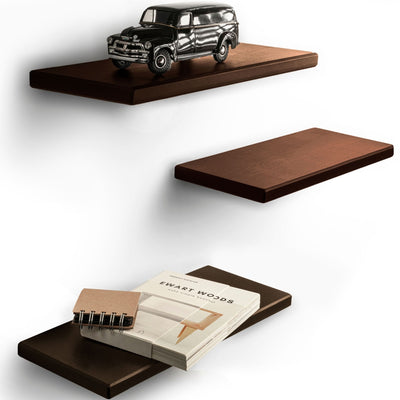
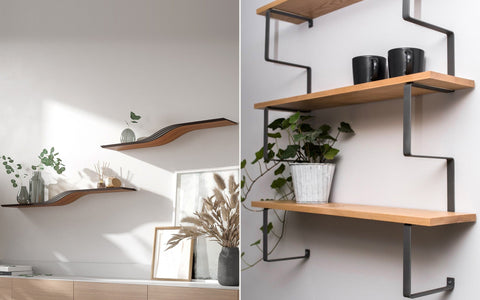
The Move: This is where Floating Wall Shelves are a lifesaver. By taking storage off the floor and putting it on the wall, you open up the "negative space" at ground level. This trick makes a small room feel twice as large while still giving you the warmth of natural wood.

3. The "Cold Bathroom" Mistake
Most people treat the bathroom like a laboratory—white tiles, chrome metal, and plastic. It’s cold, loud, and uninviting.
The Fix: Add organic elements to break up the "hard" surfaces. Wood is naturally antimicrobial and brings a spa-like energy to a bathroom.
-
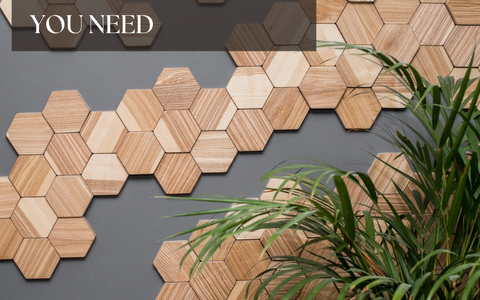
Product Move: A Wooden Toilet Paper Holder might seem like a small detail, but it’s a total game-changer. Our Honeycomb or Cloud designs add a geometric, modern touch that softens the look of cold tiles. It’s about taking a "boring" utility and making it an intentional design choice.

4. Wrong Proportions (The "Tiny Furniture" Problem)
Scale is everything. We often see people buy a beautiful wooden shelf, but they buy one that is too small for the wall. It ends up looking like a postage stamp in the middle of a desert.
The Fix: Go bigger than you think you need.
-
The Move: If you have a large wall, don't just hang one shelf. Create a gallery. Grouping three floating shelves at different heights creates a focal point. It tells the eye where to look.

5. Clashing Undertones
You can mix Oak, Walnut, and Maple in one room, but you cannot mix their undertones haphazardly. Some woods have "cool" (gray/blue) undertones, while others are "warm" (yellow/orange/red).
The Fix: Stay within the family.
-
If your floor is a warm honey oak, choose accents with warm reddish or golden hues.
-
If your walls are a cool gray, go for "ashy" wood tones.

6. Forgetting the "Third Dimension" (Vertical Interest)
If all your furniture is at the same height (couch, coffee table, TV stand), your room will feel flat. You need to draw the eye up.
The Fix: Use vertical wood elements to lead the eye to the ceiling.
-
The Move: Use tall floating wall shelves or high-mounted wooden art. This creates "vertical interest," which is the secret sauce of high-end interior designers.

7. Over-Cleaning with Chemicals
This is a functional mistake. Most people ruin their wooden furniture by spraying it with "lemon" or "wax" sprays from the grocery store. These products create a sticky film that actually attracts dust and dulls the grain over time.
The Fix: 1. Dust with a dry microfiber cloth once a week.
2. Wipe with a slightly damp (not wet) cloth for spills.
3. Condition with a high-quality wood oil once a year to keep the fibers hydrated.
Summary: How to Style Your New Pieces
If you just bought a set of Floating Nightstands, don't just put a lamp on them and call it a day.
-
Layer them: Add a small plant (the green pops against the wood).
-
Clear the cord clutter: Use one of our desk organizers to hide cables.
-
Lighting: Use warm-toned bulbs (2700K) to bring out the amber tones in the wood.
Your home should be a reflection of you, not a furniture catalog. By avoiding these "set-matching" traps and focusing on quality over quantity, you turn a house into a home. At Ewart Woods, we don't just make furniture; we make the pieces that complete your story.
Products related to this article
Frequently asked questions
Is it bad to buy a matching wood furniture set?
Matching sets tend to look like a showroom rather than a curated home. Aim for 2-3 different wood tones in a room, for example a walnut or dark-stained accent against light oak floors.
How do I mix different wood tones in one room?
Stay within the same undertone family. If your floor is warm honey oak, choose accents with warm reddish or golden hues; if walls are cool grey, go for ashy wood tones. Mixing warm and cool undertones haphazardly makes a room feel off.
How can furniture make a small room feel bigger?
Balance heavy floor-standing pieces with floating items. Floating wall shelves move storage off the floor, opening up negative space at ground level, which makes a small room feel noticeably larger.
How do I make a bathroom feel less cold and clinical?
Add organic elements to break up tiles and chrome. A wooden toilet paper holder in a geometric design like a honeycomb or cloud shape softens the space and turns a boring utility into an intentional design choice.
What size shelf should I hang on a large wall?
Go bigger than you think. A single small shelf looks lost on a large wall, so group three floating shelves at different heights to create a focal point that tells the eye where to look.
What is vertical interest in interior design?
If all furniture sits at the same height, the room feels flat. Tall floating shelves or high-mounted wooden art draw the eye toward the ceiling and add the layered look high-end designers use.
How should I clean and care for wooden furniture?
Avoid lemon or wax sprays, which leave a sticky film that attracts dust and dulls the grain. Dust weekly with a dry microfiber cloth, wipe spills with a slightly damp cloth, and condition with a quality wood oil about once a year.
What lighting makes wood furniture look best?
Warm-toned bulbs around 2700K bring out the amber tones in wood. Pair wooden nightstands or shelves with a small plant and tidy cables for a layered, finished look.








Leave a comment