


Biophilia 2.0: The Science of Using Wood to Build a Stress-Free Sanctuary
The article explains biophilic design principles for 2026, including research suggesting that around 45% natural wood surface coverage keeps stress lowest, the calming effect of touching oil-finished wood, and the appeal of fractal grain patterns and soft geometry. It shows how wooden floating shelves, hexagon shelves with trailing plants, sofa arm trays, and mirror wall art can bring these nature-based ideas into a home.
In 2026, the world of interior design has moved past "sterile minimalism" and into a more human-centric era. We are spending more time indoors than ever before, and as a result, a concept once reserved for architects has gone mainstream: Biophilic Design.
But biophilia is more than just putting a plant in the corner. It is a scientific framework based on the "Biophilia Hypothesis," which suggests that humans have an innate, biological need to connect with nature. When we are deprived of this connection—surrounded by plastic, metal, and white drywall—our cortisol levels rise, and our creativity drops.
At Ewart Woods, our mission is to bridge that gap. By using high-quality, sustainably sourced timber, we help you bring the restorative power of the forest into your home. Here is an in-depth guide on how to master the biophilic trend.
1. The 45% Rule: Finding Your Visual Balance
Recent environmental psychology studies have found a "sweet spot" for wood in the home. Research indicates that when roughly 45% of a room's surfaces are natural wood grain, human stress levels are at their lowest.
If a room has too little wood, it feels cold and clinical. If it has too much (like a log cabin), it can feel overwhelming. The goal is to introduce wood strategically to hit that 45% mark.
-
How to apply it: If you have white walls and modern flooring, you need high-impact wooden accents.
-
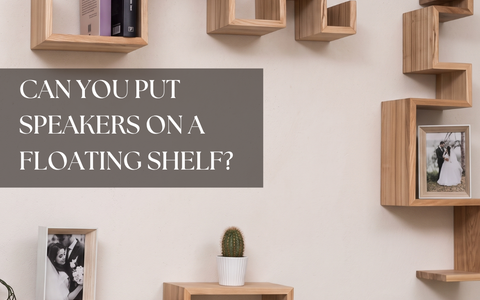
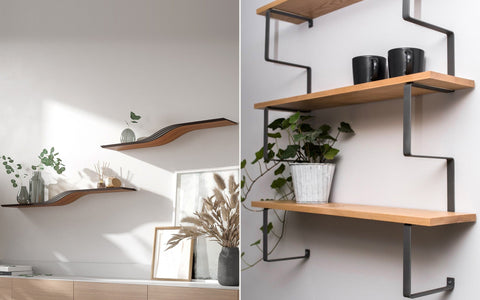
The Ewart Woods Strategy: Use Wall-Mounted Organizers and Floating Shelves to break up the "dead space" of a flat wall. The complex, fractal patterns found in our Oak and Walnut grains provide "visual rest," allowing your brain to recover from the glare of digital screens.

2. Reducing Cortisol Through "Tactile Honesty"
Biophilia isn't just about what you see; it’s about what you touch. In 2026, we talk about Tactile Honesty—the idea that the materials in our hands should feel like they do in nature.
Studies have shown that touching real wood (especially wood finished with natural oils) can actually lower heart rates and blood pressure. In contrast, synthetic "wood-look" laminates don't trigger the same biological relaxation response.
-
The Biophilic Hack: Prioritize wooden items for the things you touch most often.
-
Product Spotlight: Our Sofa Arm Trays and Magnetic Key Holders. Every time you set down a cup or grab your keys, you are interacting with a natural material that grounds your nervous system. Choosing our Oil finish ensures that the "pores" of the wood remain open, providing that signature warm, organic feel.

3. Embodying "Soft Geometry" & Fractal Patterns
Nature rarely works in perfect 90-degree angles. To truly embrace biophilic design, you must move away from "boxy" furniture and toward Soft Geometry—shapes that mimic the curves of a river or the silhouette of a tree.
-
The Science: Our brains are hardwired to process "fractals"—patterns that repeat at different scales. Wood grain is a natural fractal.
-
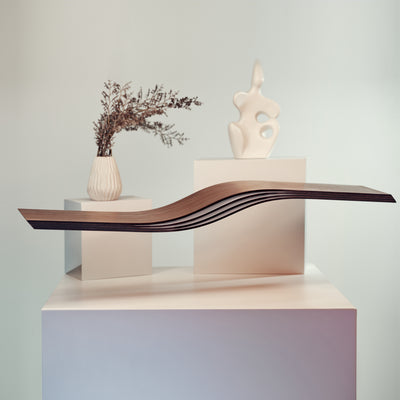
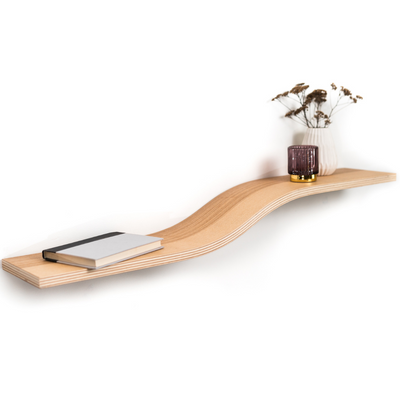
The Ewart Woods Strategy: Our Curved "Wave" Floating Shelves are designed to break the rigid lines of a standard room. The fluid shape mimics organic movement, making your space feel like it’s "breathing" rather than static.

4. The "Living Wall" Concept with Hexagons
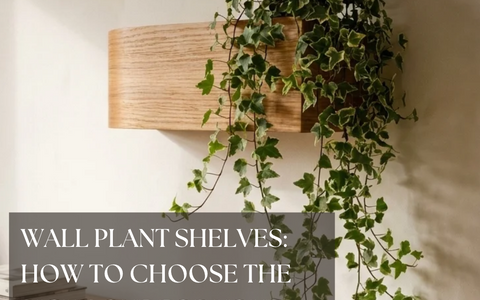
One of the most popular 2026 trends is the Vertical Garden. However, maintaining a full floor-to-ceiling moss wall can be difficult. A more sustainable way to achieve this is through modular wooden structures.
-
How to apply it: Group geometric shapes together to create a rhythmic, nature-inspired focal point.
-
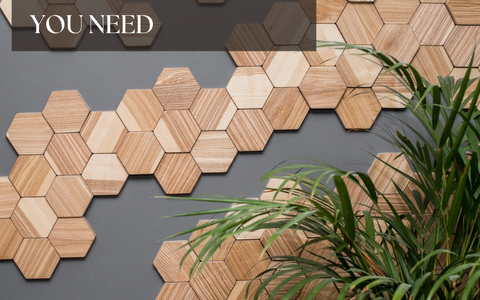
The Ewart Woods Strategy: Our Honeycomb Hexagon Shelves are the ultimate biophilic tool. By clustering them on a wall, you mimic the architecture of a beehive. Use them to hold trailing plants like Pothos or Snake Plants. The combination of the wooden frame and the green leaves creates a "micro-ecosystem" that purifies the air and boosts your mood.

5. Reflective Rhythms: Using Mirror Hexagons to Expand Nature
In Biophilic Design, light is just as important as the materials. However, many homes have dark corners where plants struggle to grow and the "wellness" vibe feels lost.
The Biophilia 2.0 solution isn't just one big mirror; it’s about Reflective Rhythm. By using small, geometric reflections, you mimic the way sunlight glints off a lake or dew drops on a leaf.
-
The Biophilic Hack: Create a "scattered" installation on your wall using a mix of wood and mirror. This spreads natural light deeper into the room without the clinical look of a large, flat mirror.
-
The Ewart Woods Strategy: Combine our Mirror Hexagon Wall Art with our Wooden Hexagons. By interspersing the mirrors among the wood, you create a "breathing" wall that reflects your indoor plants and bounces "circadian-friendly" sunlight throughout the day. This setup expands the visual space while maintaining the earthy, grounded feeling of the timber.

Final Thoughts: A Home That Heals
Biophilic design is more than a trend; it is a return to our roots. When you choose a piece from Ewart Woods, you aren't just buying furniture—you are bringing a piece of the Latvian forest into your home.
Whether you are looking for the ergonomic calm of a Wooden Monitor Stand for your office or the geometric beauty of our Pie Shelves for your living room, remember: your home should be a place where you don't just live, but where you thrive.
Products related to this article
Frequently asked questions
What is biophilic design?
Biophilic design is a framework based on the Biophilia Hypothesis, which suggests humans have an innate need to connect with nature. It goes beyond adding a plant in the corner, using natural materials, organic shapes, and light to create calmer, healthier interiors.
How much wood should a room have to feel calming?
Environmental psychology research cited in the article points to a sweet spot of roughly 45% of a room's surfaces in natural wood grain. Too little feels clinical, while too much can feel overwhelming, so wood accents like shelves and organizers help hit the balance.
Does touching real wood actually reduce stress?
Studies have shown that touching real wood, especially wood finished with natural oils, can lower heart rate and blood pressure. Synthetic wood-look laminates do not trigger the same relaxation response.
What are fractal patterns in interior design?
Fractals are patterns that repeat at different scales, and wood grain is a natural fractal. Our brains are hardwired to process them, so visible grain provides visual rest and helps the eyes recover from screen time.
How can I create a living wall without a moss wall?
Cluster modular hexagon wall shelves to mimic honeycomb architecture and fill them with trailing plants. The combination of wooden frames and green leaves creates a rhythmic, nature-inspired focal point that is much easier to maintain than a full vertical garden.
What plants work best on wall shelves?
Trailing, low-maintenance plants like Pothos and Snake Plants work well on hexagon and floating shelves, softening the geometry while staying easy to care for.
How do mirrors fit into biophilic design?
Instead of one large flat mirror, scatter small geometric mirror pieces among wooden wall elements. This reflective rhythm mimics sunlight glinting off water, spreads natural light into dark corners, and expands the space while keeping an earthy feel.
Why choose oil-finished wooden furniture?
An oil finish keeps the pores of the wood open, preserving the warm, organic feel that supports the biological relaxation response. EWART WOODS pieces are handmade in Europe from sustainably sourced timber, bringing a piece of the Latvian forest into the home.







Leave a comment